Shigeru Miyamoto
| Shigeru Miyamoto 宮本 茂 | |
|---|---|
 Shigeru Miyamoto in 2026 | |
| Born | November 16, 1952 (age 73)[1] |
| Super Mario–related roles | Representative director, game developer, artist, game designer |
| Years active | 1977–present[1] |
| Employer | Nintendo |
- “What if, on a crowded street, you look up and see something appear that should not, given what we know, be there. You either shake your head and dismiss it, or you accept that there is much more to the world than we think. Perhaps it really is a doorway to another place. If you choose to go inside you may find many unexpected things...”
- —Shigeru Miyamoto
Shigeru Miyamoto (in Japanese: 宮本 茂) is a Japanese video game designer, producer, artist, and game director at Nintendo,[2] best known for being the creator of the Super Mario, Donkey Kong, The Legend of Zelda, Star Fox, and Pikmin franchises, among others. He joined the company as a character artist and product designer in 1977.[3] In Japan in 2019, Miyamoto was recognized as a Person of Cultural Merit,[4] and in 2026, he received the Order of Culture award,[5] being the first video game developer to receive both awards. Miyamoto currently holds the position of Executive Fellow and Representative Director at Nintendo.[6]
Biography[edit]
In his early childhood, Miyamoto was raised in the small, rural town of Sonobe, Japan, near his current home of Kyoto, about ten blocks from Nintendo's headquarters. His home lacked a television, so he would spend a large amount of his leisure time exploring the surrounding countryside. He would also make his own toys and cartoon flip-books.[7] Miyamoto often attributes his experiences exploring the countryside as having inspired the creation of the series The Legend of Zelda.[8]
Miyamoto wanted to make things that would astonish the world. In elementary school, he considered becoming a puppeteer or a painter, and he later found interest in making toys. He also learned how to play the guitar and banjo. Miyamoto decided to study industrial design at Kanazawa College of Art in 1970. Miyamoto attended his classes only half of the time, and it took him five years to graduate.
Miyamoto was 24 years of age when his father contacted an old friend, named Hiroshi Yamauchi, at the toy company Nintendo. Yamauchi requested to see some toy designs, to which Miyamoto responded by returning with a bag of products and a portfolio. Miyamoto became Nintendo's first staff artist in 1977, working on designing characters and artwork for arcade games.[9][3] His first work involved making the casings for the Color TV-Game line of plug-and-play consoles. Some of Miyamoto's first times working on games themselves were Nintendo's Sheriff and Space Firebird, from 1979 and 1980, respectively.[9]
In 1980, Nintendo of America was looking for a successful video game to establish itself in the arcade market. Nintendo ordered a large number of units of the arcade game Radar Scope, but by the time the machines arrived, interest in the game began to decline. Following this failure, Nintendo sought a game that the unused machines could be converted into easily. Yamauchi called Miyamoto into his office, as he was the only staff member available at the time, and questioned him about his knowledge on the video game concept, to which Miyamoto claimed to have loved video games in college. Gunpei Yokoi, then lead of Nintendo's engineering team, was assigned to oversee the project. The two went on to create the highly successful game Donkey Kong.[10]
With Donkey Kong's success, Miyamoto was given his own team: the Creative Department, later known as Nintendo EAD and then Nintendo EPD. Miyamoto became Yokoi's protégé and the two developed a close relationship, with Yokoi often giving Miyamoto advice on game design. Together they came up with the idea for Miyamoto's next game, Mario Bros.,[11][12] a competitive experience inspired by the 1982 game Joust.[9] In 1985, Miyamoto, along with Takashi Tezuka, developed Super Mario Bros. and The Legend of Zelda simultaneously. The respective series that started from these games would go on to become two of Nintendo's main flagship series.
While Miyamoto has mentioned that he finds it difficult to say who his favorite Nintendo character is, he has stated that some of his more beloved favorites include Mario, Princess Peach, Luigi, Bowser, Princess Zelda, Toad, Link, and Donkey Kong.[13] On separate occasions, he has cited Super Mario Bros. 2 and Super Mario World as being his favorite game.[14][15] His favorite games for the NES are Baseball, Golf, and Mario Bros.[16] Miyamoto's favorite non-Nintendo game is Angry Birds.[17]
Miyamoto starred in a Mega64 sketch about New Super Mario Bros.[18] Despite being an influential figure in video games and responsible for multi-million dollar franchises, Miyamoto is said to be very humble, insisting on settling for an average income. Miyamoto is also ambidextrous, though he favors his left hand and likes to make characters that are left-handed (Bowser Jr. and Link being two examples). He rides his bike or walks to work each day, usually with his wife, whom he met on the job (she was a general manager for his current occupation).
Following the in-office passing of Nintendo president Satoru Iwata in July 2015, Miyamoto worked alongside Genyo Takeda as Representative Director of Nintendo,[2] both leading the company until Tatsumi Kimishima was inaugurated as the next president of Nintendo in September of the same year. Following Kimishima's inauguration, Miyamoto assumed the position of Creative Fellow, later Executive Fellow.
Miyamoto has stated his interest in bringing Super Mario characters to a wider audience, believing that Nintendo should be seen for its characters rather than simply as a video game company.[19][5] His most recent projects with Nintendo, including Super Mario Run, Pikmin Bloom, the films The Super Mario Bros. Movie and The Super Mario Galaxy Movie, and the Super Nintendo World theme park, exemplify this goal.
[edit]
Games[edit]
- Donkey Kong – Director
- Donkey Kong Jr. – Director
- Mario Bros. – Director
- Donkey Kong 3 – Director
- Super Mario Bros. – Director, Producer, Designer
- Super Mario Bros.: The Lost Levels – Director, Producer, Designer
- Yume Kojo: Doki Doki Panic / Super Mario Bros. 2 – Producer
- Super Mario Bros. 3 – Director, Producer, Designer
- Super Mario World – Producer
- Mario Paint – General Producer
- Super Mario Kart – Producer
- Super Mario All-Stars – Producer
- Donkey Kong (Game Boy) – Producer
- Donkey Kong Country – Original Donkey Kong Creator, Special Thanks
- Super Mario All-Stars + Super Mario World – Producer
- Mario's Picross – Supervisor
- Super Mario World 2: Yoshi's Island – Producer
- Super Mario RPG: Legend of the Seven Stars – Producer
- Super Mario 64 – Director, Producer
- Mario Kart 64 – Producer
- Mario Party – Supervisor
- Super Mario Bros. Deluxe – Supervisor
- Yoshi's Story – Supervisor
- Super Smash Bros. – Producer (Production and Direction advisor)
- Mario Golf (Nintendo 64) – Supervisor
- Mario Artist: Paint Studio – Supervisor
- Mario Party 2 – Supervisor
- Mario Tennis (Nintendo 64) – Supervisor
- Paper Mario – Producer
- Mario Tennis (Game Boy Color) – Supervisor
- Mario Party 3 – Supervisor
- Luigi's Mansion – Producer
- Super Mario Advance – Producer
- Mario Kart: Super Circuit – Producer
- Super Smash Bros. Melee – Producer
- Super Mario World: Super Mario Advance 2 – Producer
- Super Mario Sunshine – Producer
- Mario Party 4 – Supervisor
- Donkey Kong Country (Game Boy Advance) – Producer
- Mario Golf: Toadstool Tour – Supervisor
- Mario Party 5 – Supervisor
- Mario Kart: Double Dash!! – Producer
- Mario & Luigi: Superstar Saga – Producer
- Mario vs. Donkey Kong – Producer
- Mario Golf: Advance Tour – Supervisor
- Mario Pinball Land – Producer
- Donkey Konga – Supervisor
- Mario Party 6 – Supervisor
- Paper Mario: The Thousand-Year Door – Producer
- Mario Power Tennis – Supervisor
- Super Mario 64 DS – Producer, Supervising Director
- Donkey Konga 3 – Supervisor
- Mario Party Advance – Supervisor
- Donkey Kong Jungle Beat – General Producer
- DK: King of Swing – Supervisor
- New Super Mario Bros. – Supervisor
- Mario Kart DS – General Producer
- Mario Party 7 – Supervisor
- Super Mario Strikers – Supervisor
- Mario & Luigi: Partners in Time – Producer
- Mario Tennis: Power Tour – Supervisor
- Mario Hoops 3-on-3 – Supervisor
- Super Paper Mario – Supervisor
- Mario Party 8 – Supervisor
- Itadaki Street DS – Supervisor
- Mario Strikers Charged – Supervisor
- DK: Jungle Climber – Supervisor
- Donkey Kong: Barrel Blast – Supervisor
- Mario & Sonic at the Olympic Games (Wii) – Senior Producer
- Super Mario Galaxy – Game Design Concept, Producer
- Mario Party DS – Supervisor
- Super Smash Bros. Brawl – Senior Supervisor
- Mario Kart Wii – General Producer
- Mario & Luigi: Bowser's Inside Story – Senior Producer
- Mario vs. Donkey Kong: Minis March Again! – Supervisor
- Mario & Sonic at the Olympic Winter Games – Senior Producer
- New Super Mario Bros. Wii – General Producer
- Super Mario Galaxy 2 – General Producer
- Super Mario All-Stars Limited Edition – Producer
- Mario vs. Donkey Kong: Mini-Land Mayhem! – Supervisor
- Donkey Kong Country Returns – Supervisor
- Mario Sports Mix – Supervisor
- Mario & Sonic at the London 2012 Olympic Games – Senior Producer
- Mario Kart 7 – General Producer
- Fortune Street – Supervisor
- Mario Tennis Open – Supervisor
- New Super Mario Bros. 2 – General Producer
- New Super Mario Bros. U – General Producer
- Super Mario 3D Land – General Producer
- Mario Party 9 – Supervisor
- Paper Mario: Sticker Star – Supervisor
- Nintendo Land – General Producer
- Luigi's Mansion: Dark Moon – Producer
- Mario and Donkey Kong: Minis on the Move – Supervisor
- New Super Luigi U – General Producer
- Mario & Luigi: Dream Team – Supervisor
- Mario Party: Island Tour – Supervisor
- Donkey Kong Country: Tropical Freeze – Supervisor
- Mario Kart 8 – General Producer
- New Super Mario Bros. U + New Super Luigi U – General Producer
- Super Mario 3D World – General Producer
- Mario Golf: World Tour – Supervisor
- Super Smash Bros. for Nintendo 3DS – Senior Supervisor
- Super Smash Bros. for Wii U – Senior Supervisor
- Captain Toad: Treasure Tracker – General Producer
- Mario vs. Donkey Kong: Tipping Stars – Supervisor
- Mario Party 10 – Supervisor
- Puzzle & Dragons: Super Mario Bros. Edition – Supervisor
- Super Mario Maker – General Producer
- Mario Tennis: Ultra Smash – Supervisor
- Mario & Luigi: Paper Jam – Supervisor
- Mario & Sonic at the Rio 2016 Olympic Games – Senior Producer
- Paper Mario: Color Splash – Supervisor
- Super Mario Run – Director[20]
- Mario Kart 8 Deluxe – General Producer
- Mario + Rabbids Kingdom Battle – Supervisor
- Mario & Luigi: Superstar Saga + Bowser's Minions – Supervisor
- Super Mario Odyssey – Executive Producer
- Super Smash Bros. Ultimate – Original Game Supervisor
- Mario & Luigi: Bowser's Inside Story + Bowser Jr.'s Journey – Supervisor
- Luigi's Mansion 3 – Special Thanks
- Super Mario 3D All-Stars – Director, Producer, Game Design Concept
- Super Mario 3D World + Bowser's Fury – General Producer
- Super Mario Bros. Wonder – Supervisor
- Super Mario RPG – Supervisor
- Princess Peach: Showtime! – Senior Supervisor
- Luigi's Mansion 2 HD – Very Special Thanks
- Mario & Luigi: Brothership – Senior Supervisor
- Donkey Kong Bananza – Original DK Designer
- Super Mario Galaxy (Nintendo Switch) – Game Design Concept, Producer
- Super Mario Galaxy 2 (Nintendo Switch) – Game Producer
- Mario Tennis Fever – Supervisor
Films[edit]
- Super Mario Bros.: Peach-hime Kyūshutsu Dai Sakusen! – Characters[21]
- Super Mario Bros. – Based on the concept and characters created by
- The Super Mario Bros. Movie – Producer
- The Super Mario Galaxy Movie – Producer
Other works[edit]
- Super Nintendo World – Creative Director[22]
Awards and honors[edit]
- The first inductee to the Academy of Interactive Arts & Sciences Hall of Fame at the Interactive Achievement Awards (1998)[23]
- Subject of an episode of Icons (2002)[24]
- A star on the Walk of Game (2005)[25]
- The Chevalier award at the French Order of Arts and Letters (2006)[26]
- Featured in Time Asia's "60 Years of Asian Heroes" (2006)[27]
- GDC's Lifetime Achievement Award by the Game Developers Choice Awards (2007)[28]
- The Fellowship award in the British Academy Video Game Awards (2010)[29]
- The Spanish Prince of Asturias Award for Communication and Humanities (2012)[30]
- Recognized as a Person of Cultural Merit (2019)[4]
- Lifetime Achievement award by the Association of Media in Digital Awards (2023)[31]
- Order of Culture recipient (2026)[5]
Gallery[edit]
Photos[edit]
 Miyamoto holding Mario and Donkey Kong plushies
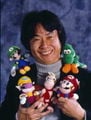 Miyamoto and some Super Mario character plushies from BD&A
 Miyamoto with Gunpei Yokoi in 1994
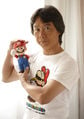 Miyamoto holding a Mario figurine and wearing a Super Mario World T-shirt
 Miyamoto and various Nintendo characters on pages 72 and 73 of Time Asia's 60 Years of Asian Heroes issue
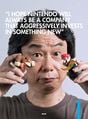 Miyamoto with Donkey Kong and Mario amiibo
 Miyamoto holding a Wii Remote in E3 2006
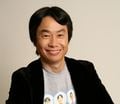 Miyamoto at E3 2006
 Miyamoto at the 2007 Game Developers Conference
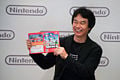 Shigeru Miyamoto showing the New Super Mario Bros. Wii cover
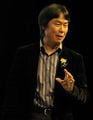 Miyamoto at E3 2010
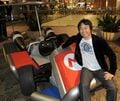 Miyamoto next to a full-scale replica of the Standard Kart from Mario Kart 7
 Miyamoto sitting in the kart
 Miyamoto with a signed copy of the first issue of the Mexican Club Nintendo magazine
 Miyamoto with several Luigi plushies for the Year of Luigi
 Group photo at the Super Mario 30 Festival event
 Miyamoto, alongside Tezuka and Tsubasa Sakaguchi
 Miyamoto in 2015
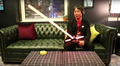 Miyamoto wielding a replica of Kylo Ren's lightsaber
 Miyamoto from the review video of Tencent's conference for the Nintendo Switch's release in China
 Miyamoto introducing Super Nintendo World (Universal Studios Japan)
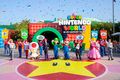 Group photo to celebrate the grand opening of Super Nintendo World (Universal Studios Japan)
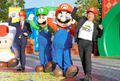 J. L. Bonnier, Luigi, Mario, and Miyamoto at the grand opening of Super Nintendo World (Universal Studios Japan)
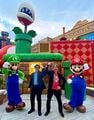 Miyamoto alongside Shinya Takahashi, Mario, and Luigi at the grand opening of Super Nintendo World (Universal Studios Hollywood)
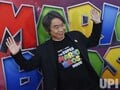 Miyamoto at the premiere of The Super Mario Bros. Movie in Los Angeles
 Miyamoto with the cast of the film and Chris Meledandri
 Miyamoto and Meledandri on the cover of Variety magazine


Hand-drawn artwork[edit]
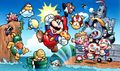 Artwork used on the Japanese Super Mario Bros. box art, illustrated by Miyamoto
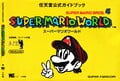 Cover of Nintendo Kōshiki Guidebook Super Mario World, illustrated by Miyamoto
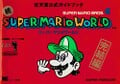 Cover of Nintendo Kōshiki Guidebook Super Mario World Kanketsu Hen, illustrated by Miyamoto
 Cover of Nintendo Kōshiki Guidebook Yoshi no Tamago, illustrated by Miyamoto
 Back cover of Nintendo Kōshiki Guidebook Yoshi no Tamago, illustrated by Miyamoto
 Cover of Nintendo Kōshiki Guidebook Super Mario Collection, illustrated by Miyamoto
 Sketch of Mario from Nintendo Kōshiki Guidebook Super Mario Collection, illustrated by Miyamoto
 Artwork celebrating the first anniversary of The 64 DREAM
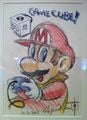 Mario and a Nintendo GameCube controller
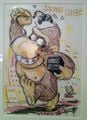 Donkey Kong and a Nintendo GameCube, chased by Mario
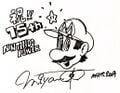 Artwork commemorating the 15th anniversary of Nintendo Power
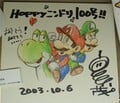 Artwork celebrating the release of Nintendo DREAM volume 100
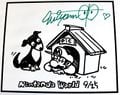 Mario in a doghouse
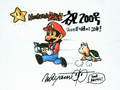 Artwork drawn for a T-shirt commemorating the 200th issue of Nintendo Power
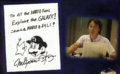 A letter addressed to Super Mario Galaxy players released by Prima Games
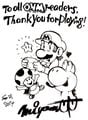 Artwork for the UK Official Nintendo Magazine
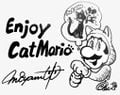 Artwork for Cat Mario
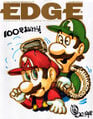 Illustration for the cover of Edge magazine's 100th issue
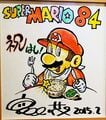 Drawing of Mario for the 84 restaurant


