Nintendo
- This article is about the Japanese video game company. For other uses, see Nintendo (disambiguation).
| Nintendo | |
|---|---|
 Logo since 2016 | |
| Full name | Nintendo Co., Ltd.[1] |
| Founded | September 23, 1889[2] |
| First Super Mario game | Donkey Kong (1981) |
| Latest Super Mario game | Yoshi and the Mysterious Book (2026) |
| Current president | Shuntaro Furukawa |
Nintendo (full name: Nintendo Co., Ltd.) is a Japanese video game company based in Kyoto. Nintendo is known for creating many successful video game consoles and franchises, including the Super Mario franchise, whose titular character serves as the company's mascot.
History


Originally founded as a hanafuda playing card manufacturer in Kyoto, Japan, on September 23, 1889, Nintendo began exploring game-making after third president Hiroshi Yamauchi began diversifying the company's ventures. Nintendo entered the arcade industry in 1973 and the home console industry in 1977, simultaneously hiring Shigeru Miyamoto as a product designer. In 1978, Nintendo began making arcade video games, licensing titles to other companies for distribution outside Japan. In 1979, Nintendo established a North American division headed by Minoru Arakawa,[3] and the first game that would be distributed by the American division would be Radar Scope. The game did not sell well in the United States, and a number of unsold cabinets remained in warehouses.
Arakawa asked Yamauchi if a new game could be developed and inserted into the unsold Radar Scope cabinets.[4] Yamauchi went through Nintendo's entire talent pool to see who could head the designing of a potential Radar Scope replacement, and the result was Miyamoto designing Donkey Kong. When Donkey Kong was released in 1981, it became a bestseller and marked the introduction of Mario. In 1983, Nintendo introduced the Family Computer, distributing it abroad as the Nintendo Entertainment System two years later. Its success in Japan and North America resulted in Nintendo becoming a dominant player in the video game industry and the revival of the industry in North America, which had been negatively affected by a crash in 1983. The most successful game for the NES, Super Mario Bros., further cemented Nintendo's dominance in the industry. The Super Mario franchise has since become Nintendo's flagship franchise and one of the most well-known brands to originate from video games.
Supported regions

First-party distribution
As a multinational company, Nintendo has established various regional divisions dedicated to marketing and sales of its products outside Japan, including Super Mario games, merchandise, and licensing, located in different gaming markets around the world, and all of them are wholly owned. Two major subsidiaries, Nintendo of America and Nintendo of Europe, have the authority to publish games autonomously. As of November 2025, these divisions include:
 Nintendo Co., Ltd. (NCL)
- Japan
 Nintendo of America, Inc. (NOA)
 Nintendo Australia Pty. Limited (NAL)
- Australia
 New Zealand
 Nintendo of Europe SE (NOE)
 Andorra[5]
 Austria
 Belgium
 Bulgaria[D]
 Croatia[D]
 Cyprus[D]
 Czech Republic[D]
 Denmark[D]
 Estonia[D]
 Finland[D]
 France
- Germany
 Greece[D]
 Hungary[D]
 Ireland (Republic of Ireland)
 Italy
 Latvia[D]
 Liechtenstein[5]
 Lithuania[D]
 Luxembourg
 Malta
 Monaco[5]
 Netherlands
 Poland[D]
 Portugal
 Romania[D]
 San Marino[5]
 Slovakia[D]
 Slovenia[D]
 Spain
 Sweden[D]
 Switzerland
 United Kingdom (including Overseas Territories and Crown Dependencies in Europe[5])
- Crown Dependencies:
 Guernsey
 Isle of Man
 Jersey
- Overseas Terrritories:
 Gibraltar
- Crown Dependencies:
 Vatican City State[5]
 Nintendo (Hong Kong) Ltd. (NHL)
- Hong Kong
 Macau
 Nintendo of Korea Co., Ltd. (NOK)
- South Korea
 Nintendo Singapore Pte. Ltd.[6]
- Singapore
 Nintendo of Taiwan Co., Ltd.[7]
- Taiwan (Republic of China)
 Nintendo (Thailand) Co., Ltd.[8]
- Thailand


Third-party distribution
In addition to the above subsidiaries, over the years Nintendo has officially assigned various third-party distribution companies to represent it and its products (including Super Mario products) in certain markets. These partners may have the authority to handle marketing and sales, but they may vary and are overviewed by one of the three major divisions (NCL, NOA, NOE). Services provided may also vary depending on market or distributor. As of November 2025, the following partners include:
- Active Bokei K.K.[9]
 Bahrain
 Indonesia
 Kuwait
 Malaysia
 Oman
 Philippines
 Qatar
- Singapore
- Thailand
 United Arab Emirates
- Advanced Initiative Company Trading[10][11]
 Saudi Arabia
- Bergsala AB[11][12][13]
- Denmark
- Estonia
- Finland
 Iceland
- Latvia
- Lithuania
 Norway
- Sweden
- CD Media S.E.[11][14][15]
 Albania
 Bosnia and Herzegovina
- Bulgaria
- Croatia
- Cyprus
- Greece
 Montenegro
 North Macedonia
- Romania
 Serbia
- Slovenia
 Turkey
- ConQuest Entertainment A.S.[11]
- Czech Republic
- Poland
- Slovakia
 Core Computer Business (PTY) LTD[11][16]
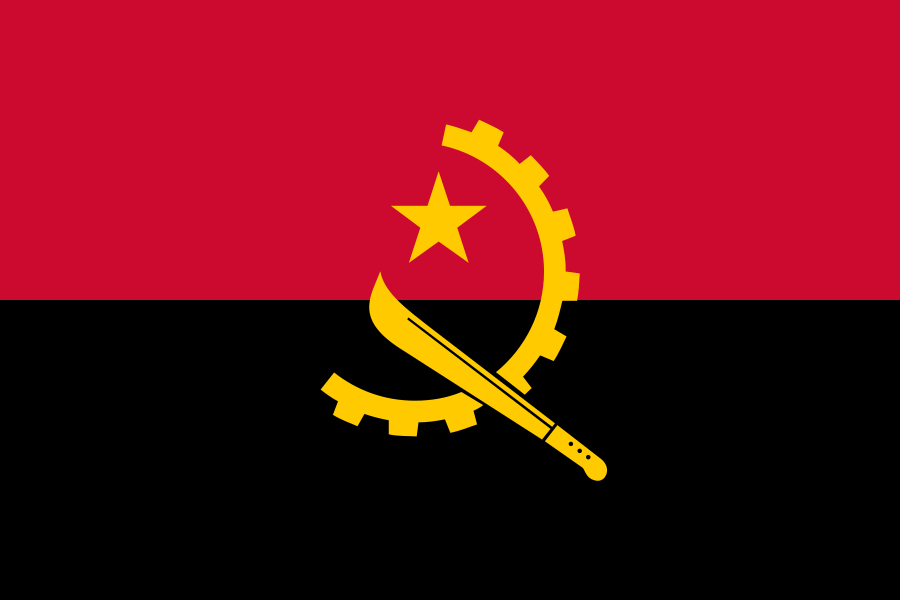 Angola
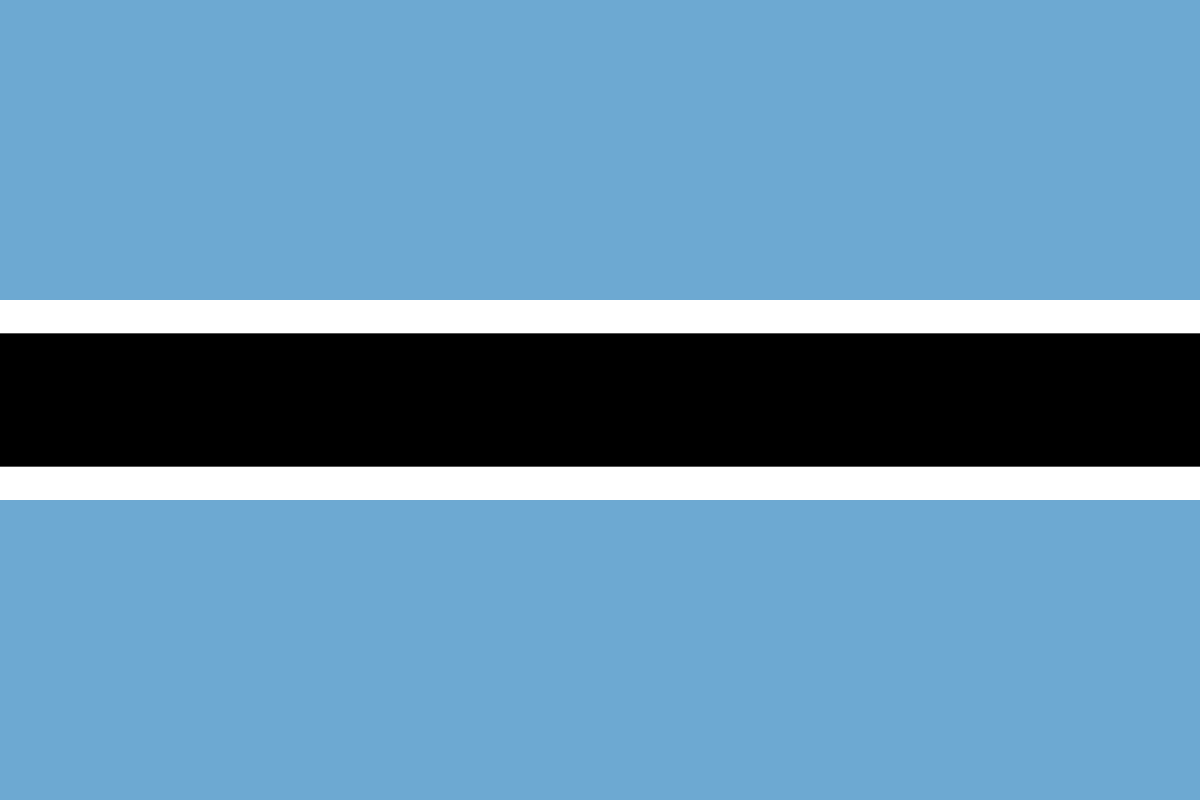 Botswana
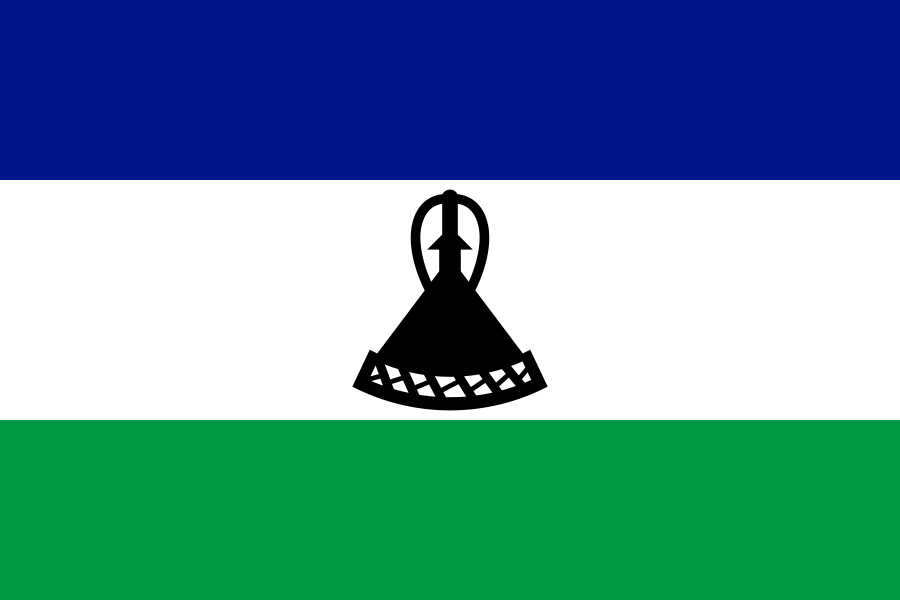 Lesotho
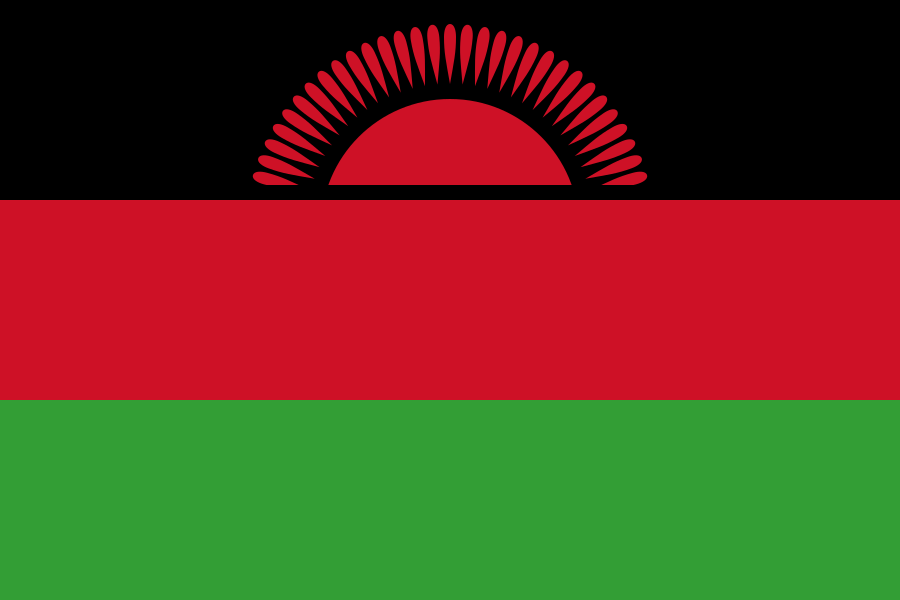 Malawi
 Mozambique
 Namibia
 Nigeria
- South Africa
 Zambia
 Zimbabwe
- Game Park[11]
- Hungary
- ERC[17][18][19]
 Kazakhstan
 Ukraine
 Uzbekistan
- Ingram Micro[20][21]
 Brazil
- Jeetek[22]
- United Arab Emirates
- JVLAT[23]
 Chile
 Colombia
 Costa Rica
 Guatemala
 Mexico
 Panama
 Peru
- Rcell[21]
- Brazil
- Solutions 2 GO[24][25]
 Argentina
- Brazil
- Synnex[26]
- Thailand
 Tencent[27]
- China (People's Republic of China)
 TorGaming, Ltd.[11][28]
- Israel


Formerly supported regions
The following regions are ones where Nintendo previously offered official distribution for its products, including Super Mario material, only to cease activity for various reasons:
 Belarus (initially via Steepler[29] and later through Belconsole, MyDevice, and Gameclub;[30][31] suspended in 2022 due to sanctions against the country[32])
- Czechoslovakia (via Stadlbauer;[33] defunct due to the country's dissolution in 1992; distribution continued in the successor states of the Czech Republic and Slovakia, initially through Stadlbauer and MPM[33][34] and later through ConQuest Entertainment A.S.)
 India (initially via Samurai Electronics[35] and later through Sunder Electronics[36])
 Russia (initially via Steepler[29][37][38] and later through Yandex.Money;[39] suspended in 2023 due to the Russian invasion of Ukraine[40])
 Yugoslavia (Federal Republic of Yugoslavia)[33] (via Beosoft;[34] distribution later resumed in the successor states of Serbia and Montenegro through CD Media S.E.[11][15])


Appearances in the Super Mario universe


- The WarioWare character 9-Volt calls himself "Nintendo's biggest fanboy", and his microgames are based on or around various Nintendo games and systems such as Dr. Mario and Donkey Kong.
- Prior to his redesign in The Super Mario Bros. Movie, Diddy Kong's red cap had the Nintendo logo on it.
- Nintendo brands can be seen in the background of various Mario Kart courses and battle arenas.
- In the Mario Party series, the Nintendo logo, along with the Hudson Soft logo, appears on banners in various minigames.
- In Donkey Kong 64, Nintendo, along with Rareware, sponsors the boxing match between the Kongs and King K. Rool as mentioned by the Microphone.
- In Mario Power Tennis, the Nintendo logo appears on the Peach Dome court.
- In Mario Golf: Toadstool Tour and Mario Power Tennis, Wario holds up the Nintendo sign when the game boots up while he states the company's name, laughing.
- In Mario Hoops 3-on-3, the Nintendo logo, along with the Square Enix logo, appears on the arch next to the basket at Peach Field and on the banner and a large screen on the Mario Stadium court.
- In the Super Mario Stadium series, the Nintendo logo appears on some signs in Mario Stadium.
- In Mario Sports Mix, the Nintendo logo appears next to the sports equipment on the banners in Mario Stadium.
- In Mario Tennis Open, the Nintendo logo can be seen on the scoreboards in various courts.
- In an Australian commercial for the NES, Nintendo is fictionalized as an evil army whose members include Bowser and Lakitu.
Home consoles

- Color TV-Game series (1977–1982)
- Family Computer (1983–2003) / Nintendo Entertainment System (1985–1995)
- Super Famicom (1990–2003) / Super Nintendo Entertainment System (1991–1999)
- Nintendo 64 (1996–2003)
- Nintendo GameCube (2001–2009)
- Wii (2006–2013)
- Wii U (2012–2017)
Attachments and remodels
- Family Computer Disk System (1986–1993)
- Satellaview (1995–2000)
- 64DD (1999–2001)
- Wii Family Edition (2011–2013)
- Wii mini (2012–2017)
These consoles may have different names in different markets. The NES is known as the Family Computer (or Famicom) in Japan; the Super NES, subsequently as the Super Famicom. In 2003, a plug-in gamepad device called the iQue Player was released exclusively in China, and in simple terms, it is considered a variant of the Nintendo 64.
Handheld consoles
- Game & Watch (1980–1991, 2020, 2021)
- Game Boy (1989–2003)
- Virtual Boy (1995–1996)
- Game Boy Color (1998–2003)
- Game Boy Advance (2001–2009)
- Nintendo DS (2004–2013)
- Nintendo 3DS (2011–2019)
Remodels
- Game Boy Play It Loud! (1995)
- Game Boy Pocket (1996–1998)
- Game Boy Light (1997–2003)
- Game Boy Advance SP (2003–2009)
- Game Boy Micro (2005–2009)
- Nintendo DS Lite (2006–2011)
- Nintendo DSi (2008–2013)
- Nintendo DSi XL (2009–2013)
- Nintendo 3DS XL (2012–2015)
- Nintendo 2DS (2013–2020)
- New Nintendo 3DS (2014–2017)
- New Nintendo 3DS XL (2014–2019)
- New Nintendo 2DS XL (2017–2020)
- Nintendo Switch Lite (2019–present)
Between 2004 and 2018, Nintendo authorized the release of some of its portable consoles in the mainland Chinese market under the "iQue" brand. For example, the Nintendo DS and the Nintendo 3DS XL are referred to as the iQue DS and the iQue 3DS XL, respectively, in China.
Hybrid consoles
- Nintendo Switch (2017–present)
- Nintendo Switch 2 (2025–present)
Remodel
- Nintendo Switch – OLED Model (2021–present)
Gallery
 The blue Nintendo logo variant, used in Japanese versions of Nintendo games
 The gold Nintendo logo from the start-up of Mario Kart 64